


 rious until I attended a session and discovered so many things. One is I found out that this aquatic resource is common in the Philippines yet only a few knew its high income potentials if cultivated and process properly. I could not believe how high the demand for this aquatic resource in the international market. This could mean livelihood to many to aleviate poverty or entrepreneurial pursuits or investment opportunity. I need not be a business guru to understand that this matter. So are you.
 o some people, sea cucumbers are more than just food. In fact, there are people who believe sea animals possess some aphrodisiac powers. The reason for this belief is the peculiar reaction of the creature on being kneaded or disturbed slightly with fingers. It swells and stiffens and a jet of water is released from one end. This behavior is similar to the erection and subsequent ejaculation of the male sexual organ.
I used to work for a corporate firm (8am to 5pm job), having been expose to almost all sorts of office task including earlier background on visual design and advertising. But after more than 10 years in office duties, I decided to shifted to commodity trading after I went to Singapore on 2005 (mentored by a Singaporean). My start was a sort of trial and error (e.g. crude oil, scrap metal, seafoods, agricultural products, etc.). Later I concentrated on agriultural products primarily on cavendish banana and rice as I seem to fit on it. As others have said, “you can’t go wrong if you are happy with what you are doing and/or if you invest in agriculture.”

above image is a ripe cavendish banana
I just tried on offering bananas as per request of an acquaintance business woman. In a matter of one week, I my self could not believe that a Lebanese client arrived and asked me to book himself and his wife to a five star hotel in the Manila. After few a few day talks and presentation, my client handed me advance downpayment in cash (US$). Weeks later, my partner were shipping containers of Cavendish Bananas to Jeddah, Dubai UAE, Abu Dhabi, Kuwait, Egypt and other Middle East countries. Little did I knew then that exporting bananas is a profitable venture and has been highly demanded mosly in the Middle East. At times, you need not seek buyers because they always come seeking sellers like you as what happened to me. But be careful as there are also lots of scammers in this business. Beside Middle East, other countries also import Philippine Cavendish bananas as it is one of the most favored in the world.
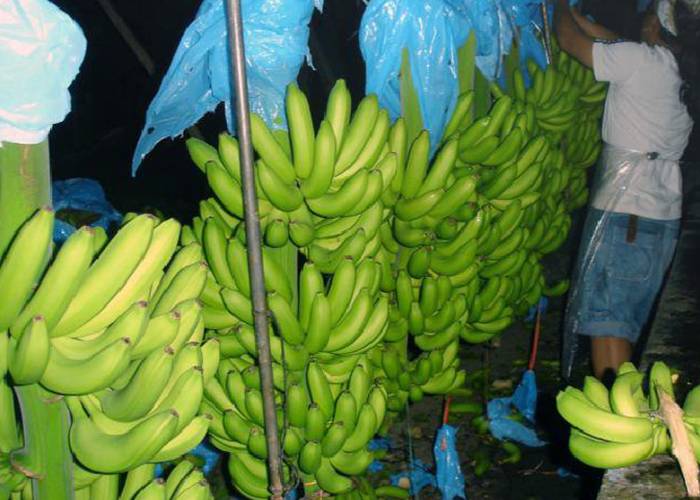

If you knew the farm in Mindanao, you will be surprise how large the plantation is and continue to supply though importers demands are getting bigger and bigger as times goes by. It’s just that I noticed something… price at times could not be controlled or lowered because capitalization for operation is too limitted. Unless a foreign investor is willing to joint venture with us.
I am a partner to highly credible former managers of known global brands. Our skills and years of experience in this business is very reliable but the investment is our limitation to be highly competitive. Let me show you some photos…
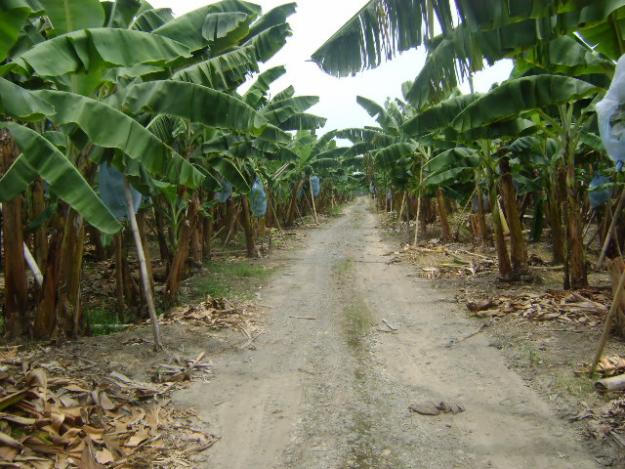
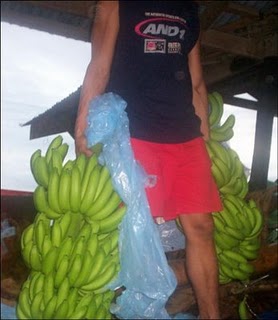
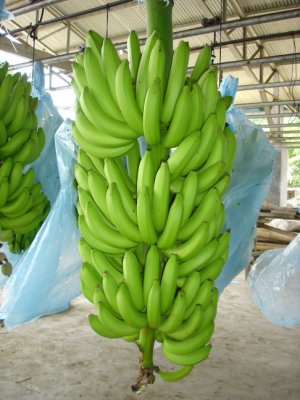
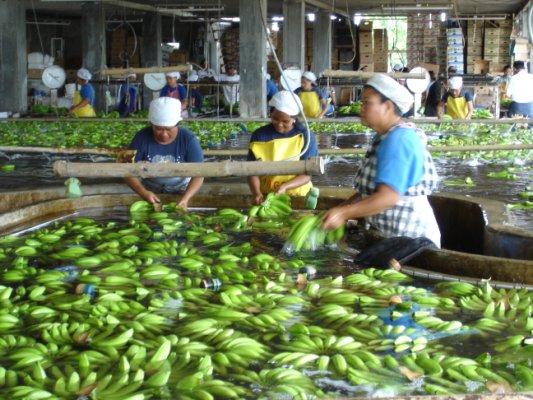
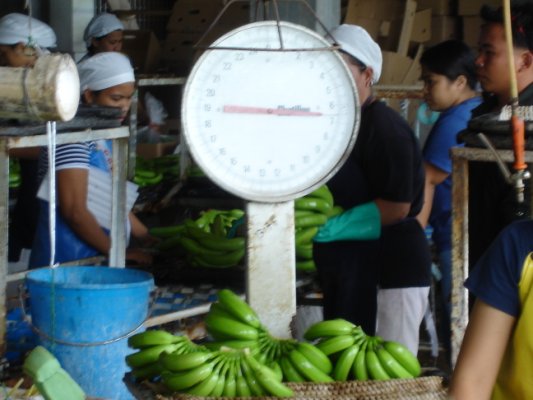
If you have the capacity to invest and would want a long years ROI, below is a highly credible offer with earning capacity beyond usual investment for short period of time…
The Investment Opportunity: 85 hectar Cavendish Banana Plantation located in the heart of world renowned Philippine plantation of Cavendish Bananas and other trophical fruits, not to mention the bountiful harvest capacity and export opportunity. (fully functional already – being offered by a government Bank, back-up by our team’s expertise and long years of experience).
Rest assured that the bank will directly arrange a tripartite agreement between bank, investor and the developer to safeguard the interest of the investors.
Expenses incurred in the operation will be address to the bank where the investors money deposited.
All sales proceeds from production will be deposited in the bank until such time all capital expenditures has been fully paid within 5 years.
Net profit after tax deductions will be shared according to percentage 20% investors, 80% for the bank and the developer.
Attached are the following:
1. Five years projected operating cost
2. Five years cash flow projection
3. Five years profit & loss per hectare per year
4. Other Remarks…
Please do no hesistate to reply for your comments and remarks. Other detailed information, accounting costing and feasibility study are all available upon request at denissalvatierra@yahoo.com
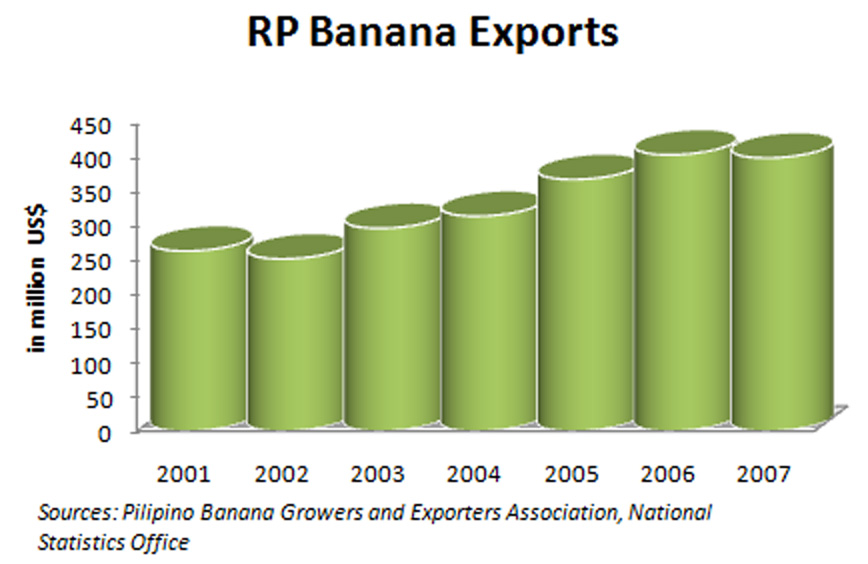
Investors can be assured of their money’s security as the investment are well taken care by the bank itself for manageable accounting and disbursement and ROI. The farm is already operational and produced more than enough supply on a regular basis. The team are highly experience and trustworthy (former managers and consultants of known global brands of Cavendish Banana and pineapple. We are able and our experience is more than enough to handle this project. What we just need is investment… like gas to a car. Believe it or not, it can shipped on a weekly basis to the Middle East and other parts of the world. We just need a joint venture partner-investor.
Financial Plan (pls click to link below)
https://spreadsheets.google.com/ccc?key=0AjIzSSSEYO6PdGNIOWJrZ2t5Y0hGYktkM0FjVGZBeGc&hl=en
YouTube Presentation:
http://www.youtube.com/watch?v=N_BGgulGMNs
Other details you can inquired at denissalvatierra@yahoo.com
If in any case you are also interested with Moringa, below are my articles…
http://fyi09.wordpress.com/2010/01/15/moringa-oil-as-biofuel-is-better-than-jatropha/
http://fyi09.wordpress.com/2010/01/09/moringa-facts-and-benefits/
http://fyi09.wordpress.com/2010/01/08/the-science-behind-moringa/
http://fyi09.wordpress.com/2010/01/08/greener-pasteur/
http://fyi09.wordpress.com/?s=moringa
http://fyi09.wordpress.com/2010/01/05/wealth-behind-moringa/
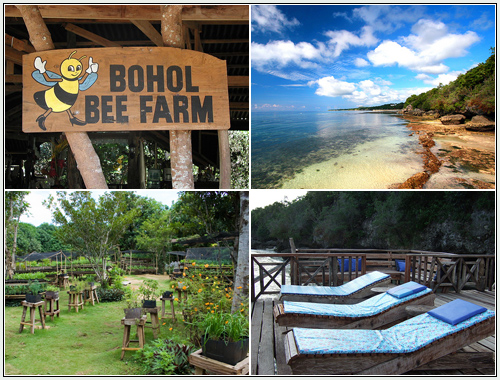
Image is excerpt from Google ImagesWho would have thought that a high earning US base Filipino Nurse and a mother would trade all she owned in America, in exchange of her one chance to establish a community building organic farm in Bohol Philippines. Better known as Bohol Bee Farm.
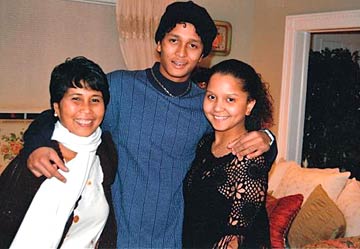
“You make good money in the States but you have to ask yourself what is it all about.” I had three jobs. I hardly saw my kids. So after the school year there ended, I brought them here.”
She also said that returning to the Philippines to start a business was one of the best decisions she made in her life.
Rough Start for Vicky
As always, the non-traditional are the ones persecuted for their unorthodox vision. It was when Vicky’s husband died in 1988. She began to rethink of her priorities as a mother and in life. As mentioned, it wasn’t an easy decision to make. Nonetheless, Vicky was firm on her decision, no matter what other people said. Let me quote her mother’s own words, , ‘Why are you dragging your kids to the Philippines, ‘as if it was a bad thing,” she relates. Good thing Vicky did not give up. Now, Bohol Bee Farm is a blessing not just to her family but to the whole province of Bohol as it also attracts tourist and it branch out to other possibilities and entrepreneurial opportunities. Let me again quote another words of Vicky…
“But I never regretted my decision. What kept me going was the thought that I didn’t want to live a life where my children grew up not knowing who I was because I was always working, and later their children would grow up the same way.”
“What kept me going was the thought that I didn’t want to live a life where my children grew up not knowing who I was because I was always working, and later their children would grow up the same way.”
Vicky bought lands where she invested some of her earned money, of which they settled in of it. She started selling vegetables to her children’s classmates. Later the parents married to foreigners went to the farm themselves and harvest their preferred vegetables. She also expanded to homemade bread. Her success in homemade bread starts when she baked breads that suits customer’s tastes. She observed that foreigners don’t like it sweet. In the contrary, locals love their kamote bread, which is slightly sweeter. Bee Farm’s herb bread is a hit to foreigners and hopes to win Filipinos tastes soon. There’s no stopping this lady as she also offered muffins and crafts, something she learned in the US.
More of Bohol Bee Farm on their site…
http://www.boholbeefarm.com/
One thing I like about National Geographic and Discovery Channel is their highly informative exploration in almost all aspects of human lives and the environment. But still, they could not tell it all as this world alone is too big for a show as theirs. Hope with this site of mine, I was able to relay some of the not so famous places I visited. Thus, in my own way I could pay tribute as well to some pioneers in their own fields.
At this point, allow me to uncover an organic farm in Silang, Cavite Philippines (near Tagaytay City) named, “Old Kano.”
Google map link: hhttp://maps.google.com/maps?f=q&source=s_q&hl=en&geocode=&q=SILANG+CAVITE+PHILIPPINES&sll=37.0625,-95.677068&sspn=25.565517,56.513672&ie=UTF8&hq=&hnear=Silang,+CALABARZON,+Philippines&t=h&z=11
The word “Kano” is a colloquial term for American. I would like to show some of the pictures I’ve taken before I proceed…
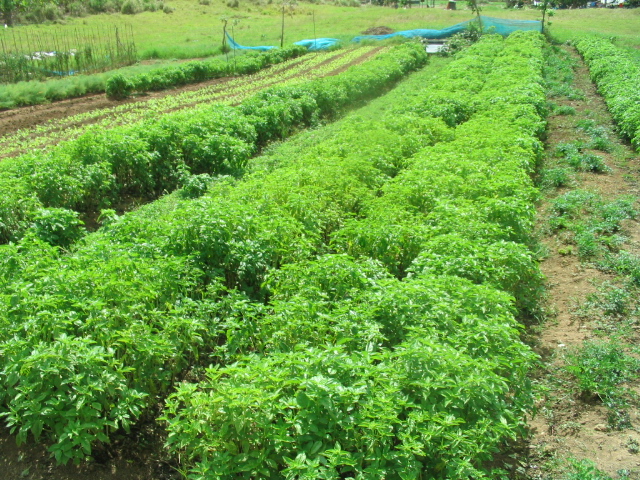
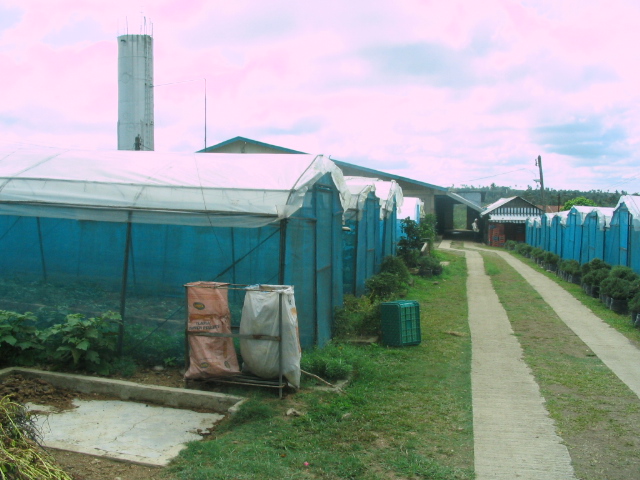
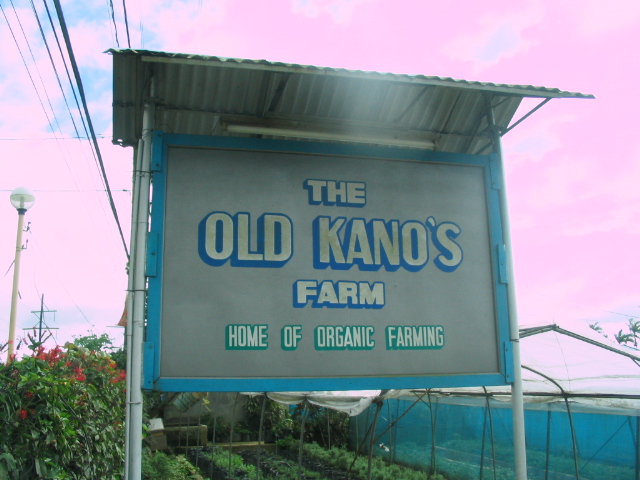
Allow me to tell you the story. Old Kano farm has a total lot area of 12,747 square meters along the province of Silang Cavite Philippines. The couple Mrs. Julieta and the late Mr. Fred Ammann owned this farm.
The couple actually started in Caloocan City (Metro Manila) where their actual business is selling of rabbits, turkey and other farm animals to some restaurant businesses in Manila. If I were not mistaken, the couple acquired the farm lot to expand their business they started in Caloocan. By that time, the Old Kano farm was not yet as known today. As days goes by, Fred Ammann started to sow some plot of “Dill” (exotic herbs) out of plain hobby. As this farm is along the way to the famous tourist destination Taal volcano view at Tagaytay City, an unexpected visitor one day came and he simply could not ignore the bed of “Dill.” He is Mr. Werner Berger. He bought some and asked how many he could grow. Mr. Berger came back but this time he brought with him the head chef then of Manila Peninsula, Mr. Alfred Moser. The man did not just order 30 kgs of dill every week but ask what else he grow. Mr. Fred handed a seed catalog to Chef Moser. The rest is history.
Out of a Mr. Fred’s plain hobby turned into a chance of a life time. Although not that big as what others have made, Mr. Fred sow more that a seed of dill but a legacy of practical organic farming in the Philippines that could sprout into more bigger and high modern organic farms in this land.
Now, Old Kano farm has abandoned farm animal selling and only produces a lot of salad crops, edible flowers and some exotic vegetables produced exclusively at the farm. They supply to many hotels and restaurants mostly in Metro Manila.
Old Kano was the pioneer on organic farming. Some of their offer are as follows: green ice, romain, lolo rosa, red lettuces, tatsoi, mizuna, cucumber, new zealand spinach, baby carrots, endive, french beans, kohlrabi, red raddish, cherry tomatoes , turnips tokyo, and stripped egg plants. Among the 18 varieties of herbs they produce are purple basil, sweet basil, cilantro, dill, marjoram, mint, Italian oregano, Italain parsley, arugula, rosemary, sage, sorrel, mexican tarragon, thyme, thai pepper, the habanero pepper, the cayenne. Their also produce tatsoi fine leaves, mizuna fine leaves, rocketa fin leaves, fennel fine leaves, kohlrabi fine leaves, sorrel fine leaves, mesclun leaves mix with lettuce leaves, mustard and radish sprout.
I was able to talk to one of the worker. I admire how they continue what Mr. Fred’s legacy under Mrs. Julieta (Mr. Fred’s wife). I fell in love with this farm though you could see how time has dilapidated many of the facilities. How I wish I could acquire this Old Kano farm to continue the vision of Mr. Fred and elevate it into the next level. I am more than willing to joint venture with an foreign partner with knowledge in farm technology advancement to put up both a farming school and modern farm as what Kim Yong Ki has done to Canaan Farm-School in South Korea without forgetting the vision of Mr. Fred. I know I could improve its façade to make it also friendly for visitors and tourist as it is also done in Thailand and in other known agri farms. Global commodity trading is now pointing to organic so this and other farms is sure winner if given the right investment and improvements.

Type of company:
There are available consultancy firm that can assist and help assess those who need investment vehicle best for the owner and the company. Such services will be provided:
Added services will be as follows:
Please be advice to get only credible and honest consultancy firm to avoid loss of time and money. The consultancy firm will also mention the existing realities and limitation with concerns to facility, national economic status, negative reports and things to expect.
Eligible businesses may then register their businesses with Philippine Economic Zone Authority, Board of Investment, etc. Incentives such as income tax holidays and special tax regimes are available to foreign investment.
Most foreign investors usually start through a Domestic corporation or a Branch. We recommend to register as corporation as there are administrative regulations. Branches, which may be more advantageous tax wise, cannot be used if the activities to be undertaken are included in the Foreign Investment Negative list. Corporations can accommodate Philippine ownership.
Forming or registering a corporation has to comply with the following requirement:
All other details related to start-up, branch establishment and export oriented firms will be explained further by the consultancy firm. The issuance of a certificate of incorporation from the SEC signifies the commencement of corporate existence and juridical personality for a company.
Businesses must also register with the following agencies:
If the business wish to operate as sole beneficial owner of the business, it should be registered to the Department of Trade and Industry and with the Beureu of Internal Revenue and must also register its business name with the Department of Trade and Industry through the Bureau of Trade Regulation and Consumer Protection.
Other details will be explained further by the consultancy firm or the entrepreneur. You can inquire directly to Department of Trade and Industry.


.jpg)


